***Project X *** or ***Project “Undefined” ***was created for myself. It is a deeply personal mission to explore the absolute limits of my physical and mental capabilities through the crucible of endurance sport such as
***completing an Ironman. ***
It’s about proving anything to others and about confronting discomfort, discipline, and the unknown to discover who I really am.
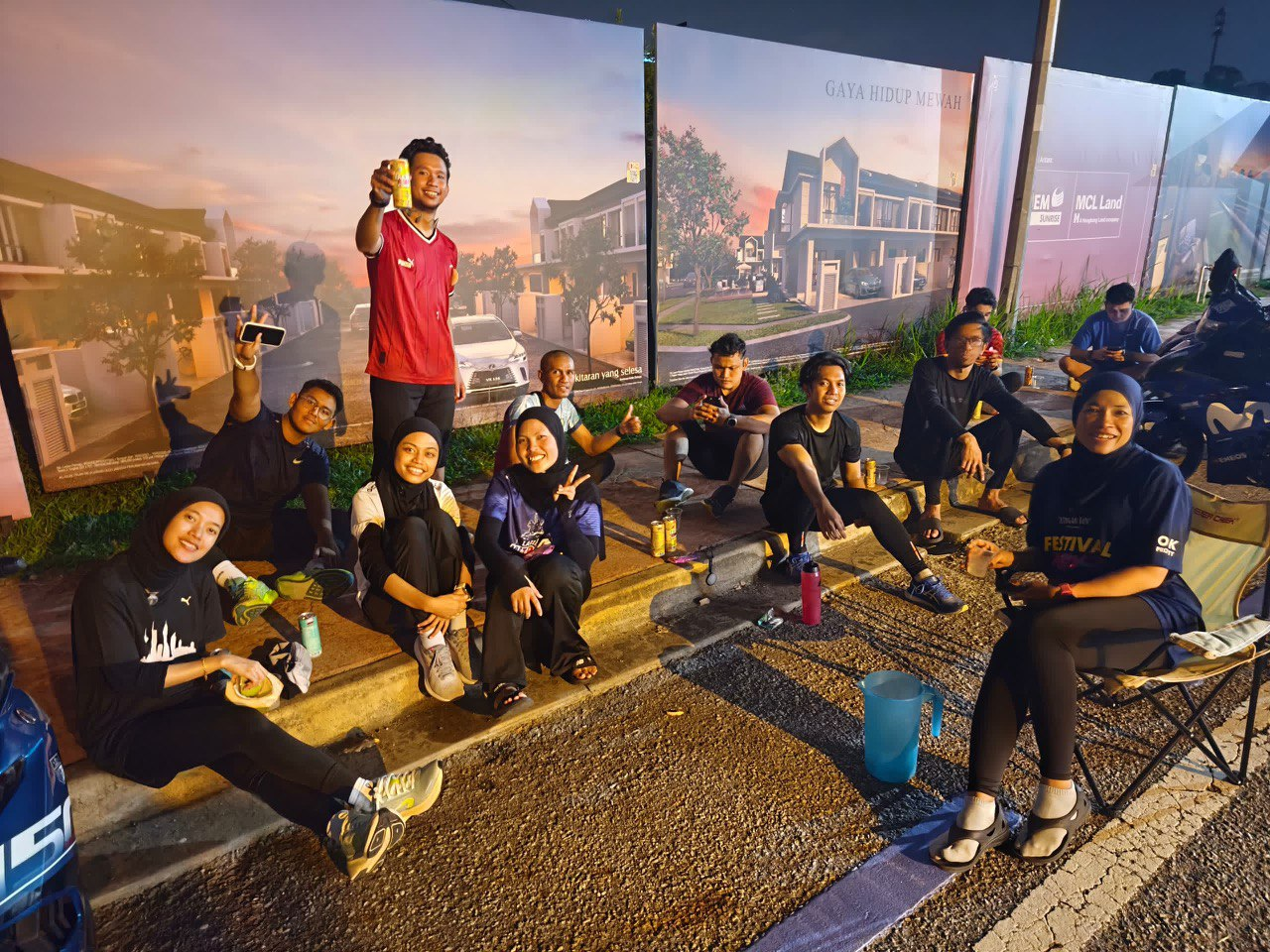
Shoutout to SRC Athletic Club for having me. Alhamdulillah diorang tak toxic macam beberapa running community and dorang sangat baik and tak kedekut ilmu. Im really grateful for knowing them.
Experiments & Encounters
# Red-S
I thought that having a less body weight will make me run faster. So i make an experiment for my body.
**In a calorie deficit **
- Eat 2 times a day ( lunch and dinner )
- Lunch : 1 scoop of rice & protein and fibre (kimchi)
- Dinner : Noodles / bread with protein and fibre
When i want to do my workout especially interval / tempo, i cannot go any faster eventhough i feel my body is lighter. Bila nak tekan laju sikit, dia takkan pergi la. I can’t think well enough. And also for my recovery it takes a while longer than normal. Basically sore dekat calves.
**In a calorie maintenance **
Makan macam biasa 3 times a day and i can think well. I can perform well in my workouts and feel energetic lepas set interval walaupun rasa berat skit dekat perut. Please makan berat sikit sebelum workout interval/tempo so that kau tak rasa barai sangat.
So lepas experiment i made some research and tengok video Lionel Sanders talking about
Red-S .
So what is Red-S?
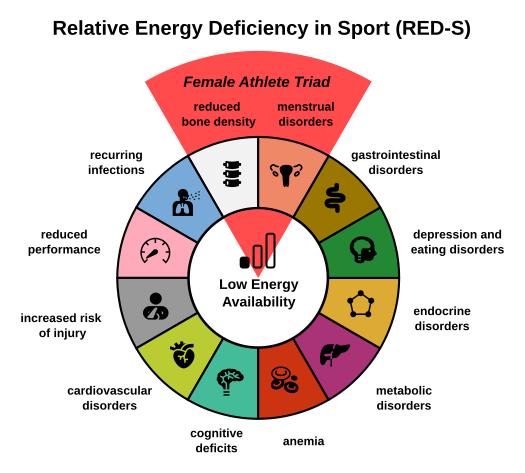
RED-S (Relative Energy Deficiency in Sport) happens when someone doesn’t eat enough to support the energy their body needs for both exercise and basic functions like thinking, growing, or staying healthy. It’s common in athletes or active people who don’t realize they’re not fueling their bodies enough.
This can lead to problems like low testosterone, weaker bones, tiredness, poor performance, slow recovery, and more frequent injuries or illness. It often affects male athletes or active men who train hard but don’t fuel their bodies properly. RED-S can affect anyone, not just women, and fixing it usually means eating more and sometimes cutting back on intense training.
# Cumulative Fatigue
For these past 2 weeks aku upkan mileage and intensity dengan buat
- 10 km ( sepatutnya LSD ) tapi aku all out tempo
- aku buat hill training 5km ( all out juga) for once a week for 2 weeks straight ( LSD and hill )
- short brick 15km and 2 km run ( all out 2k run ) .
Sehari selepas short brick tu aku rasa makin lama makin teruk makin cramp and sore/ tight dekat bahagian kaki hamstring and calves (calves paling ketat) and shin sakit and dapat
Cumulative Fatigue
- Each workout drains it a bit.
- If you don’t recharge fully, the next day starts with less battery.
- Keep doing that, and the phone (your body) eventually shuts down — or in your case, soreness, fatigue, or injury shows up.
And to make it worse i was in calorie deficit so my recovery went downhill and it takes longer for me. Lepas aku dah start calorie surplus my feet were getting better eventhough calves masih ketat skit but better than before and aku boleh lari tapi slowly in the beginning of the run since my calves were tight and bila start km 2 dah bole buka langkah skit.
# Central Nervous System Fatigue
Yesterday 12/8/2025 aku buat triple sessions back to back basically.
Lepas workout, aku pun pergi la pasar malam sebab isnin then balik rumah aku makan nasi semua. At this time around 7 pm and aku rasa macam nak duduk atas katil kejap sementara tunggu maghrib. Then aku rasa macam ngantuk gile and aku rasa cam susah gile nak buka mata berat sgt. Aku bangun tido je dah pukul 8 am.
Your body “knows” you need recovery because your brain and nervous system are constantly reading stress signals from all over the body — like a commander watching sensors in a control room.
**What to do **
1️⃣ Fuel before and during
- Before workout: Eat carbs + protein 1–2 hours before (e.g., rice + eggs, or bread + peanut butter). Carbs keep CNS and muscles supplied with glucose.
- During long sessions: Sip electrolyte drink with carbs (like 6–8% sports drink) if over 90 minutes.
- Avoid going in fasted if you’re doing multiple demanding sessions — you’ll crash sooner.
2️⃣ Spread the stress
- Don’t do maximum intensity swimming and heavy lifting in the same block unless you’re training for competition.
- If both must be in the same day: swim AM, strength PM, with proper meals in between.
- Give at least 4–6 hours between sessions.
3️⃣ Cool-down & gradual transition
- Sudden hot → cold water switches are a massive shock to the CNS.
- If you must switch, give yourself 5–10 min of moderate swimming or resting in-between so your heart rate and blood pressure can stabilize.
4️⃣ Sleep banking
- If you know you have a heavy day coming, get 8–9 hours sleep the night before. CNS tolerance to fatigue is much higher when well-rested.
- Avoid stacking multiple days of sleep debt before a big training day.
5️⃣ Recovery nutrition right after
- Within 30–60 min post-workout: carbs + protein again (like chicken & rice, or milk + banana).
- This helps replenish glycogen and gives raw materials for neurotransmitter recovery.
6️⃣ Active recovery days
- Don’t go hard every day — CNS needs low-intensity days.
- Light cycling, walking, or mobility work keeps blood flowing without burning too much CNS energy.
If you still get extreme sleepiness after all this, it’s your body telling you the load is still too high. In that case, you’d need to lower intensity or volume until your CNS adapts.
# How To Know Your Easy Pace & Race Pace
***T1 (Aerobic Threshold) / *****Easy Pace ** → The pace/intensity where your body starts using a bit more carbohydrate instead of mostly fat, but lactate is still low. You can hold this for hours.
***T2 (Anaerobic Threshold / Lactate Threshold) / ***Race Pace
→ The pace you can sustain for ~30–60 min before fatigue rapidly builds.
Step 1 : Go for an all out run that you can sustain for 30 mins.
**T2 / Half Marathon Pace **: Avg Pace for the 30 min run ( That’s the fastest pace you can sustain for ~1 hour )
Marathon Pace : Between T1 and T2
**T1 Pace : **Usually **20–25% slower than your T2 pace **(in minutes per km), or roughly 80–85% of your T2 speed.
***Example *** If your 30-min all-out average pace was 5:00/km:
- T2 pace = 5:00/km
- T1 pace = ~6:00–6:15/km (about 20–25% slower)
# Kayuh Petang Kampung
Minggu ni minggu budak cuti sekolah ( penggal 2 ) and maksu ada ajak bawak basikal pergi kampung sebab Awra ada basikal baru. So petang dalam pukul 430 pm dah start gerak. Cuaca okay tak hujan and cuma panas sikit. Awal- awal ada Awra dengan Mia tapi tak sampai Talang ( dekat Makam Tuan Tulis ) lagi Mia dah penat so kena hantar dia balik.
So tinggal aku dengan Awra and masa nak otw ke Talang kitorang terserempak dengan sorang budak naik basikal jugak. So aku pun kejarla dia and berkenalan dengan dia. Dia form 4 and tinggal dekat Seremban since kampung dia dekat Makam Tuan Tulis. Dia naik MTB.
Dia pun ikut kitorang pergi empangan dekat Talang and patah balik. Lepastu dia dengan Awra pergi naik route berbatu dekat sawah padi and aku takleh since aku naik roadbike. Then aku pun tunggu dekat kaki bukit tempat keluar route tu. Tengok dia sorang je sampai and dia cakap dengan aku yang Awra punya rantai tercabut and aku pun tolong lah. Then budak tu pun balik since dah nak dekat maghrib and aku tunggu Awra sampai. Cadangnya nak buat brick bike-run tapi dah nak maghrib so esok jela larinya.